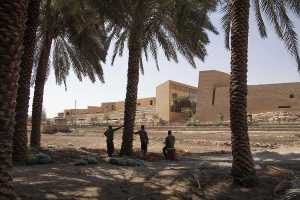
Diriyah Art Futures: first contemporary hub in the Gulf area

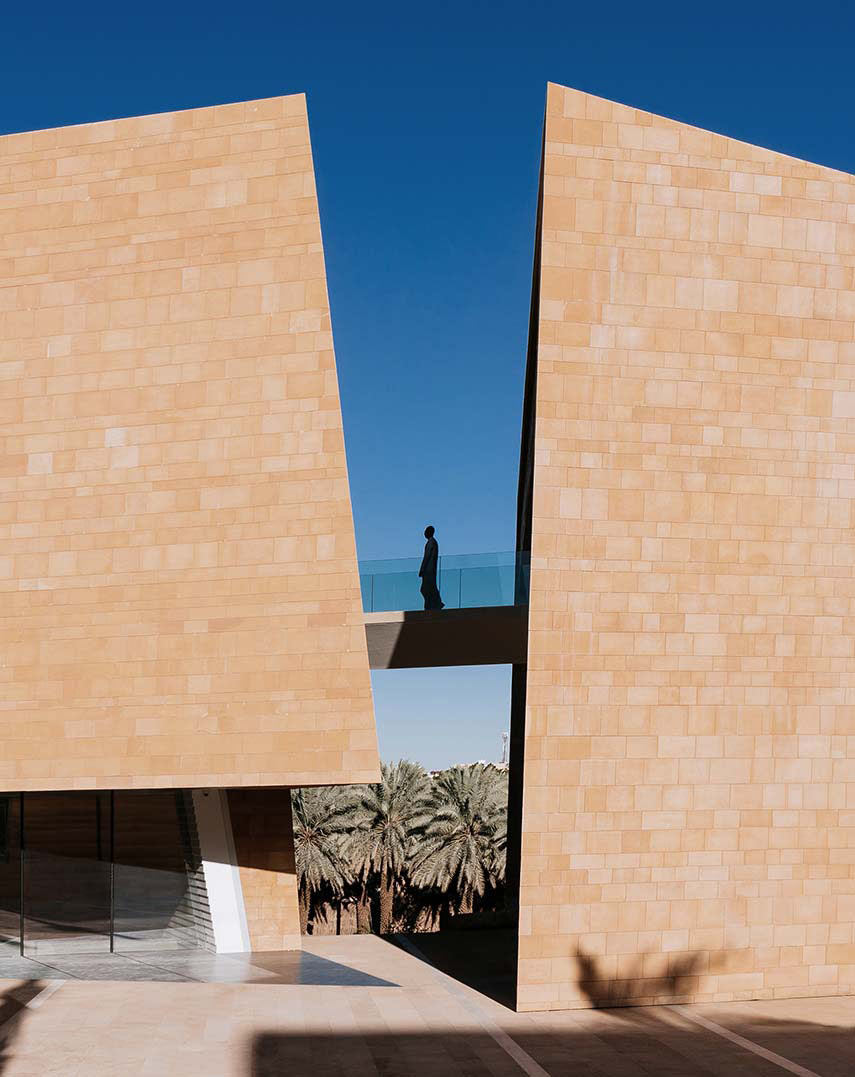
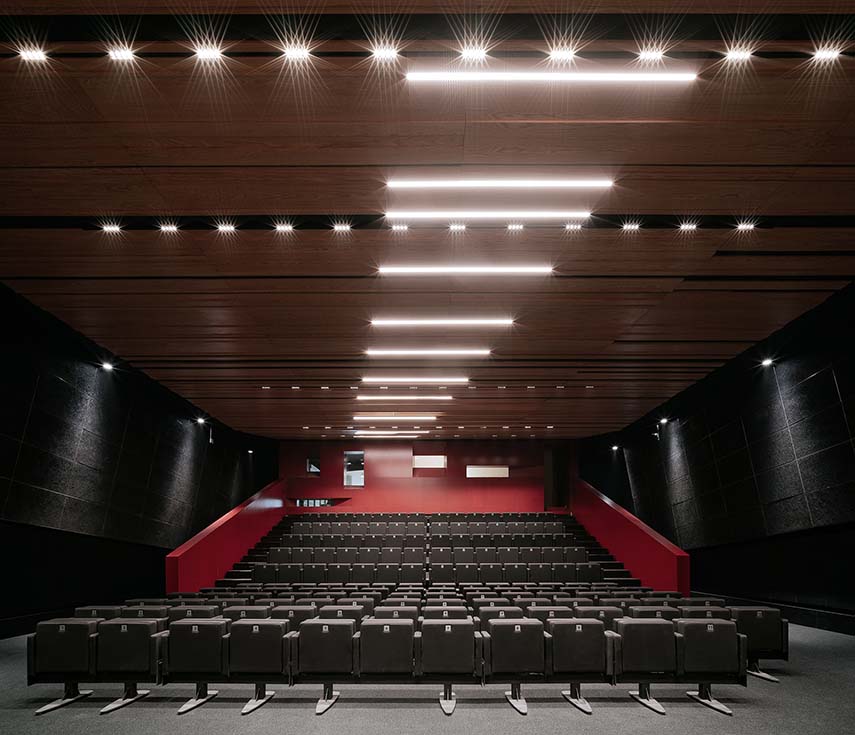
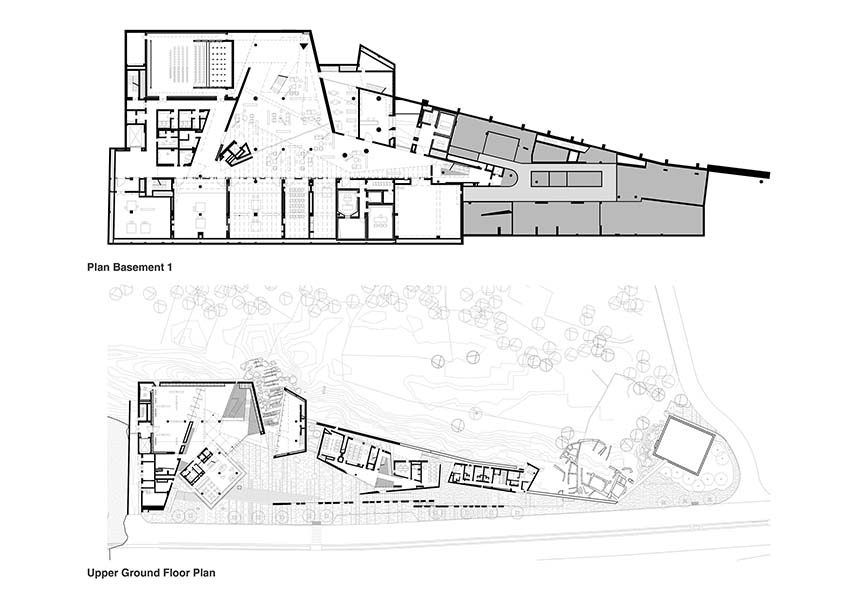
At the edges of the desert north of Riyadh, a visionary building that seems to emerge from the ground will host 12,000 square meters of studios, exhibition spaces, workshops, artists' residences, an auditorium, and a training center on new languages and digital media: the Diriyah Art Futures

Architecture for culture and community

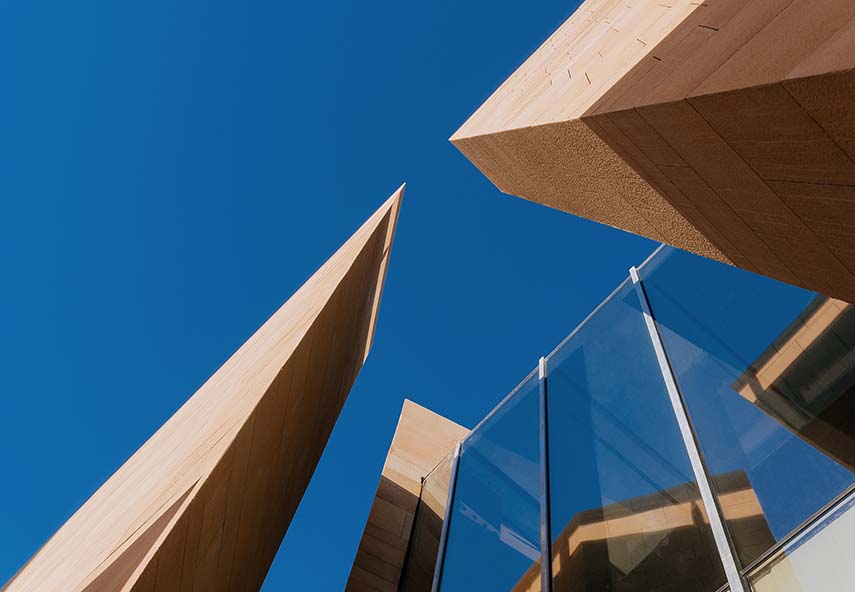
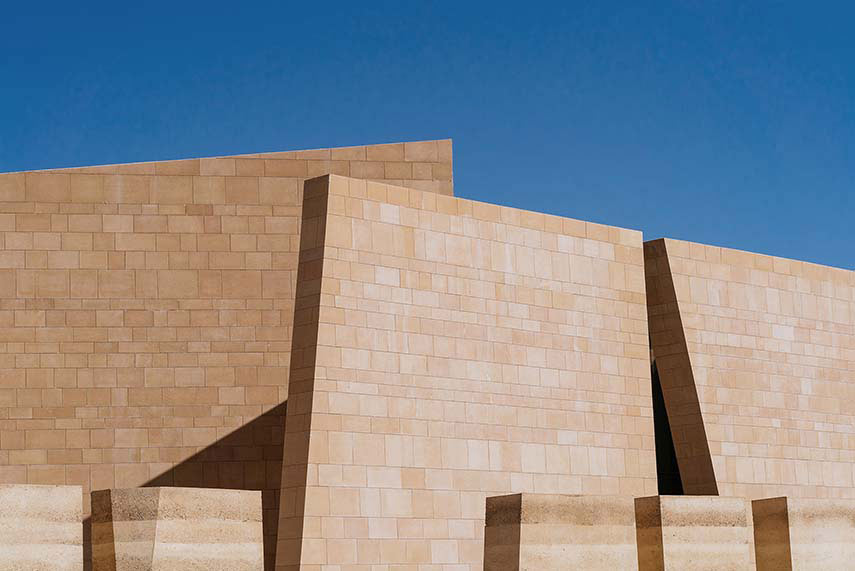
The Saudi Ministry of Culture has envisioned and overseen this "hub of the contemporary" known as Diriyah Art Futures, directed by Haytham Nawar and designed by the Italian firm Schiattarella Associati, specialized in architectural projects for culture and community service. The building is located near At-Turaif, the ancient capital of the desert region of Najd protected by UNESCO, and, with its forms and materials, celebrates the tradition and wisdom of the people who have always inhabited these places

A boundary building that defines and unites

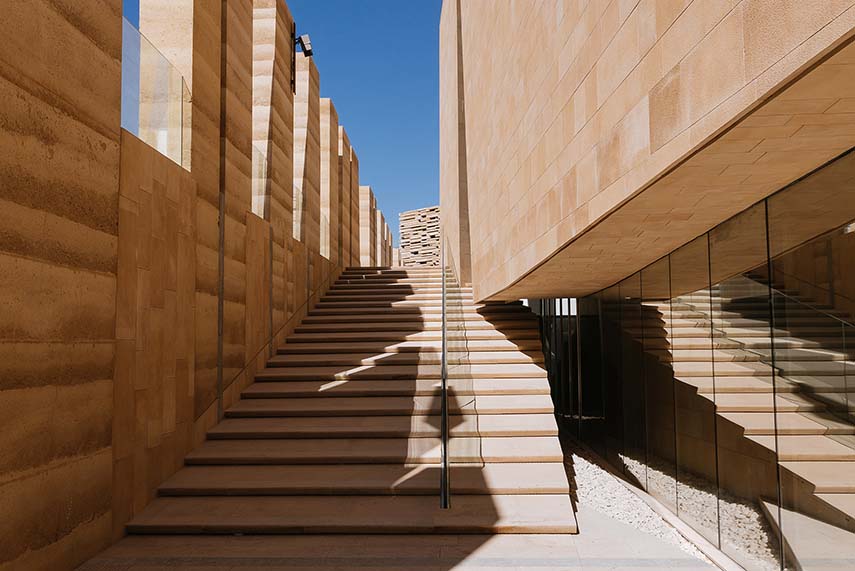
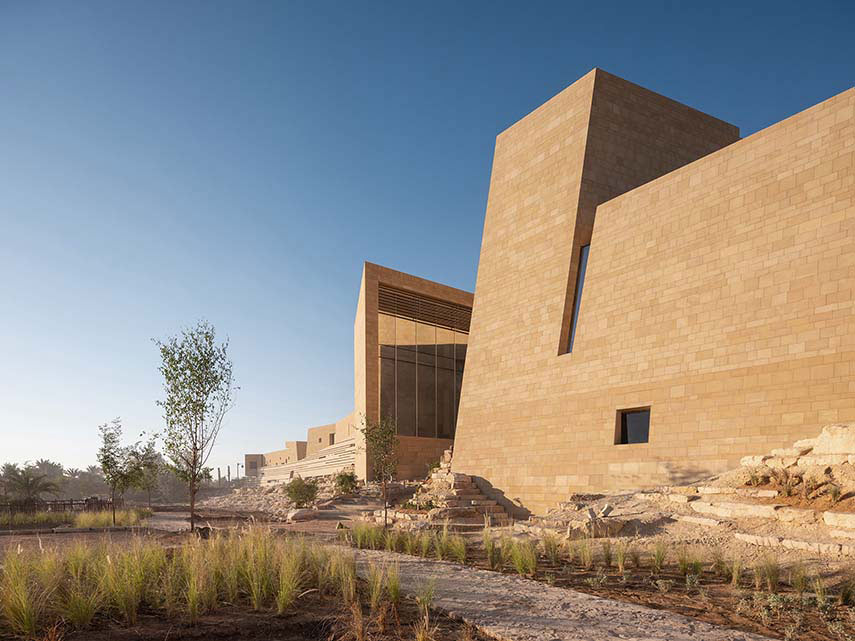
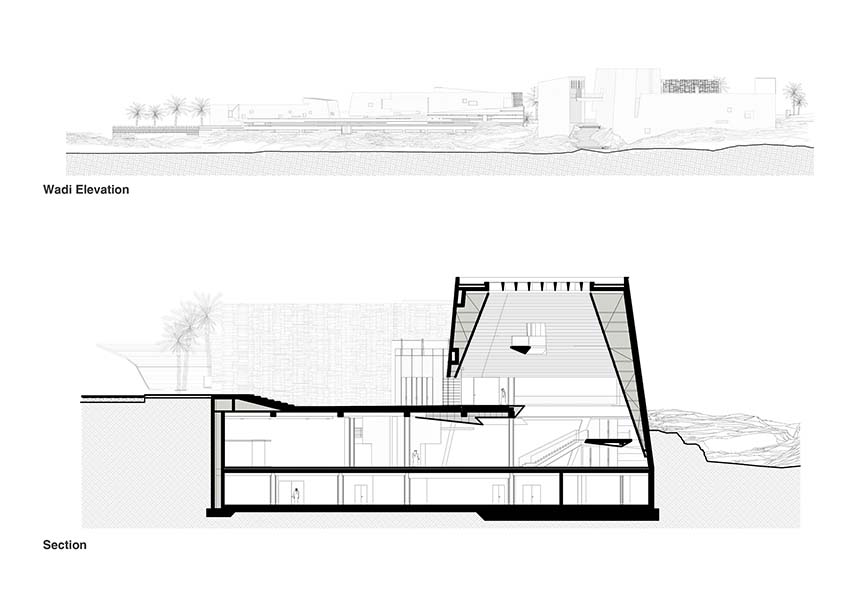
Comprising multiple volumes rising on the edge of the agricultural depression of Wadi Hanifa, in the midst of the desert plateau, the Diriyah Art Futures reshapes the harmony between nature and city. It serves as a seam between the two areas it overlooks and reshapes their boundary following the traditional Najd architecture, characterized by alternating between sunlit volumes and narrow shaded passageways. Thus, the historic center with its alleys and small buildings re-engages, through the new "boundary building," with the orchards of the agricultural area that were once separated by walls

Draw inspiration from desert architecture

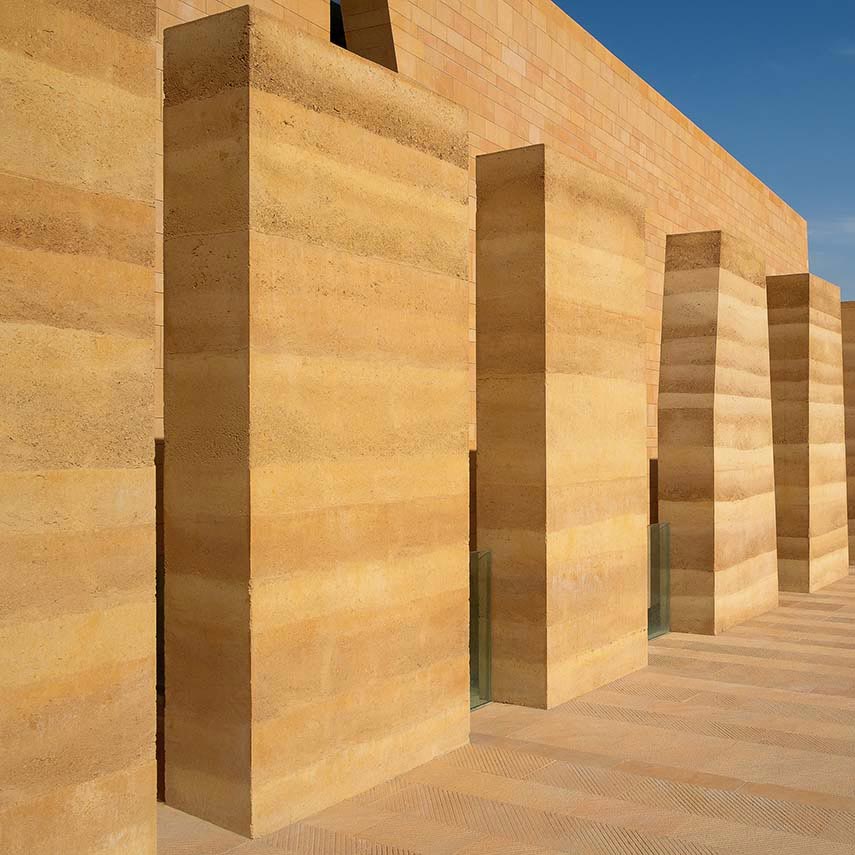
The Diriyah Art Futures takes inspiration from the architecture of the desert that wastes nothing, maximizes the conditions, shapes, and materials of the place. The raw earth, stone, mud-based plasters of the new hub bind it inseparably to its environment and the earth from which it seems to emerge. The climatic strategy draws on the traditional one made of narrow and deep passages between the built volumes that convey cooler air to protect pedestrians. A geothermal cooling system and rainwater collection system complete the building's climate control and energy-saving technology

Interiors between musharabiya and underground squares

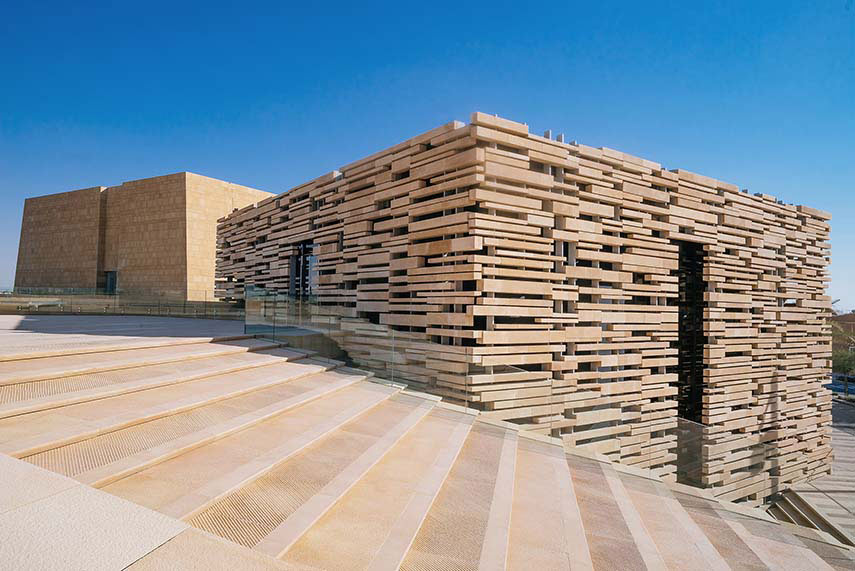
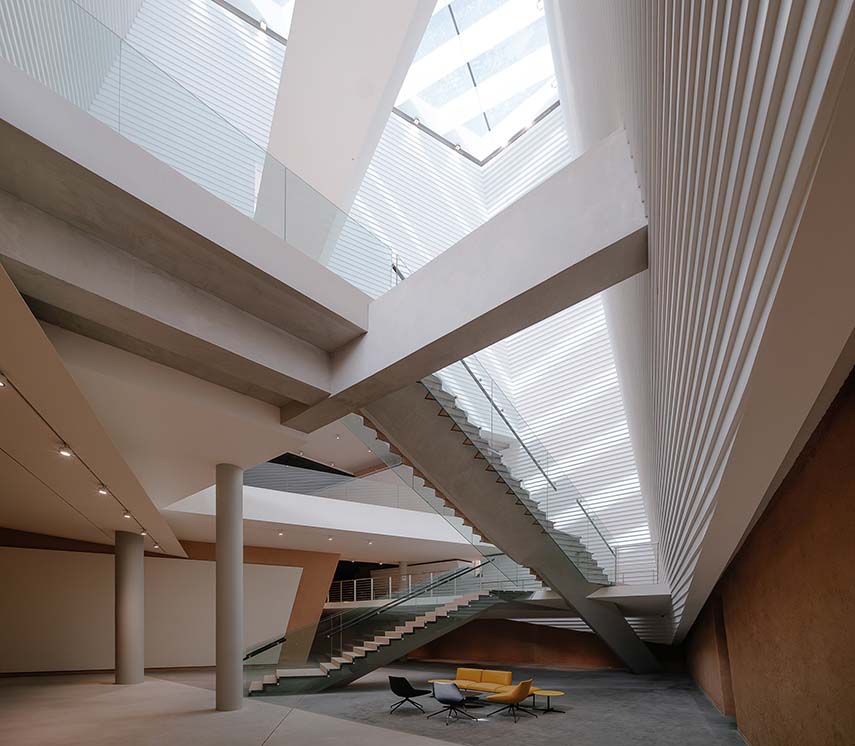
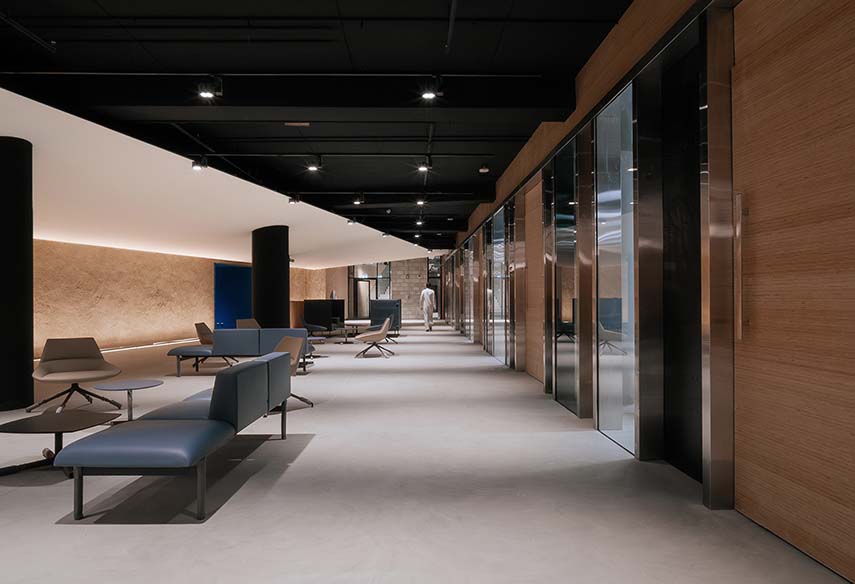
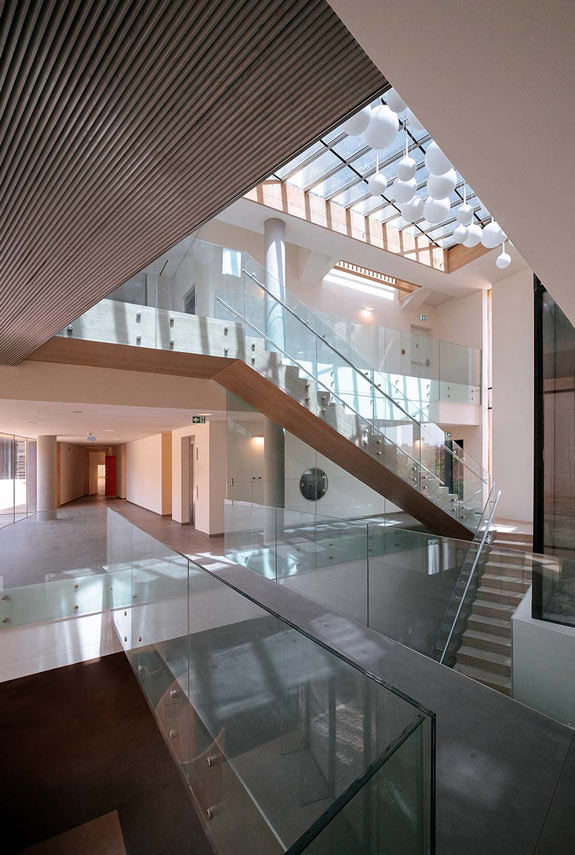
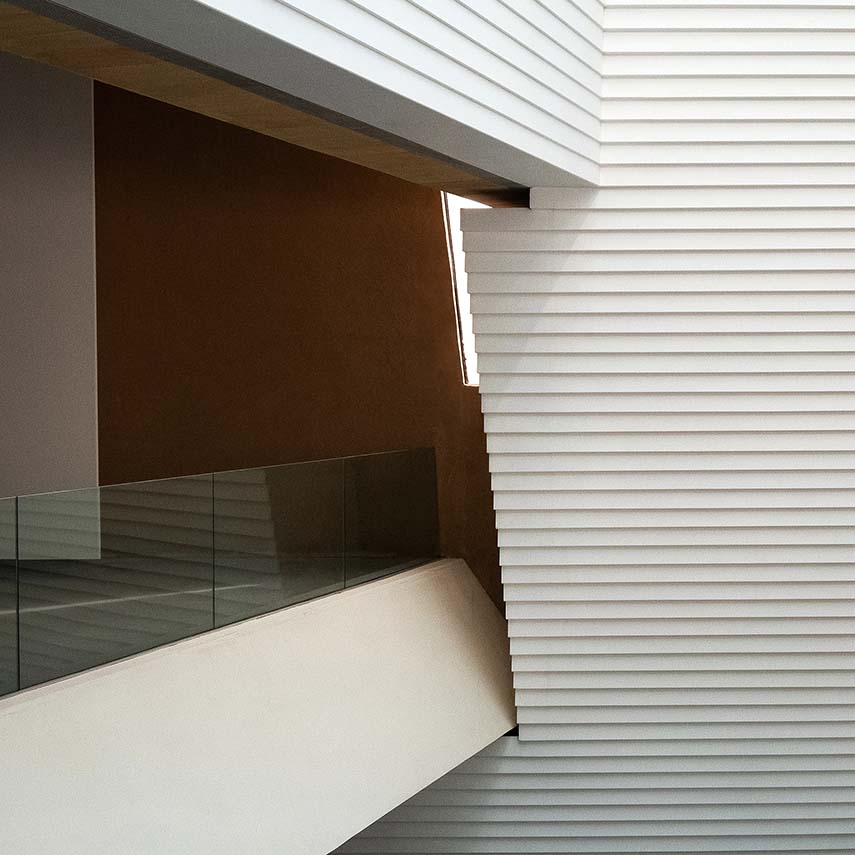
The interiors are designed by Paola Schiattarella and showcase traditional materials such as mud plaster and Riad stone composed of solidified sand. The result is filled with shades and vibrations that speak of the desert. The cafeteria is located in the volume with perforated walls, as if carved by the wind, immersed in the play of light from contemporary musharabiya.
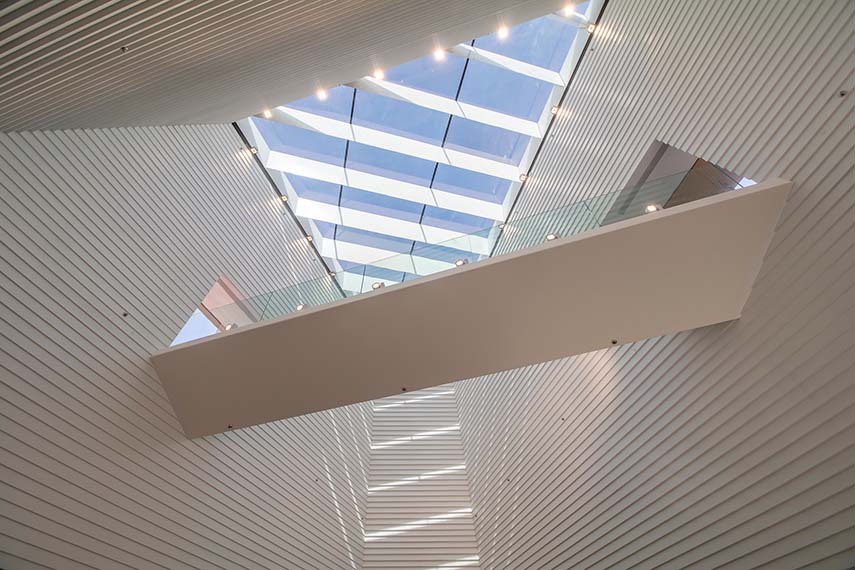
The workshops and studios are instead located in the underground heart of Diriyah Art Futures, cool and protected from light, in a setting made of glass, steel, and wood. In the center, an underground “square”: the gathering place for artists illuminated by a massive “bell” that brings sunlight from the surface