The Stables, when ruin becomes contemporary refuge

The Stables, when ruin becomes contemporary refuge

On Lake Maggiore, an ancient stable is reborn as a double holiday home: a project that engages with history, the alpine landscape, and the language of contemporary architecture.

A ruin as a starting point

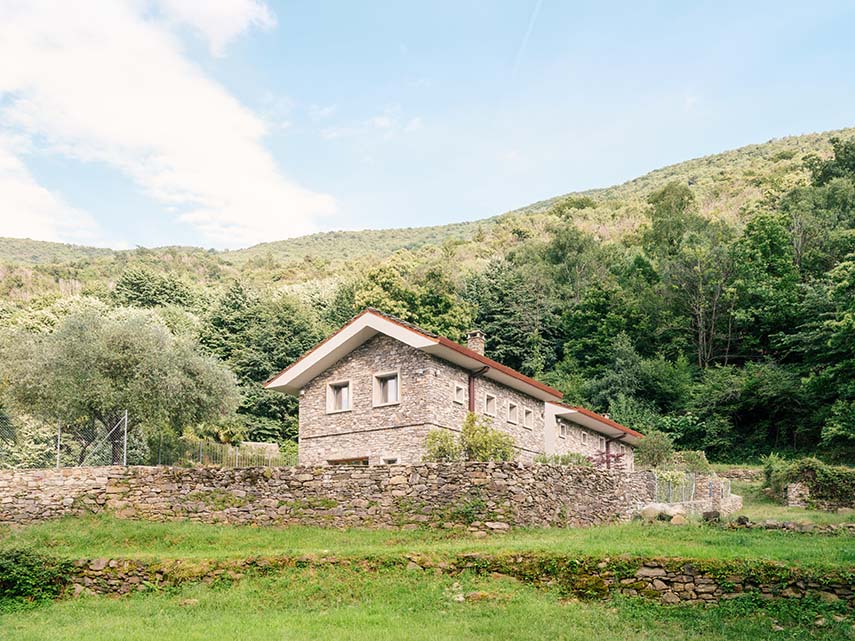
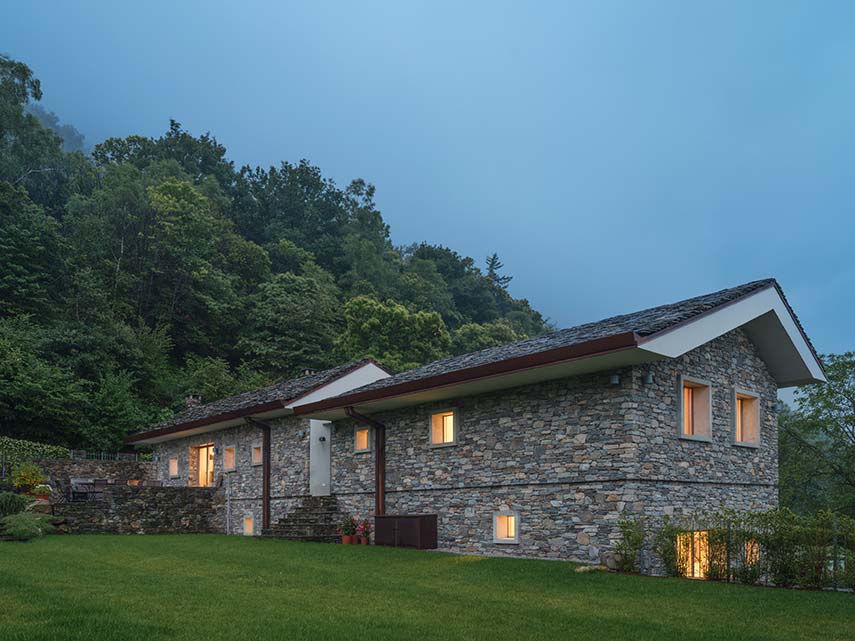
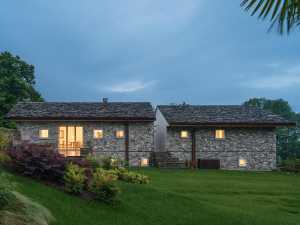
Le Stalle is located in a rural area near Lake Maggiore, accessible only through an ancient Roman stone road. Here, the ruins of a stable remained, too compromised to be restored but bound by strict conservation regulations. The Pedro&Juana project was born precisely from this limitation: maintaining the original footprint of the building, allowing for a maximum expansion of 20%. The choice was to preserve the rectangular shape and materiality of the walls, slightly enlarging them and dividing the volume into two housing units, creating a visual break that lightens the overall impact.

The Stables, when ruin becomes contemporary refuge

Sloping roofs and recycled stone

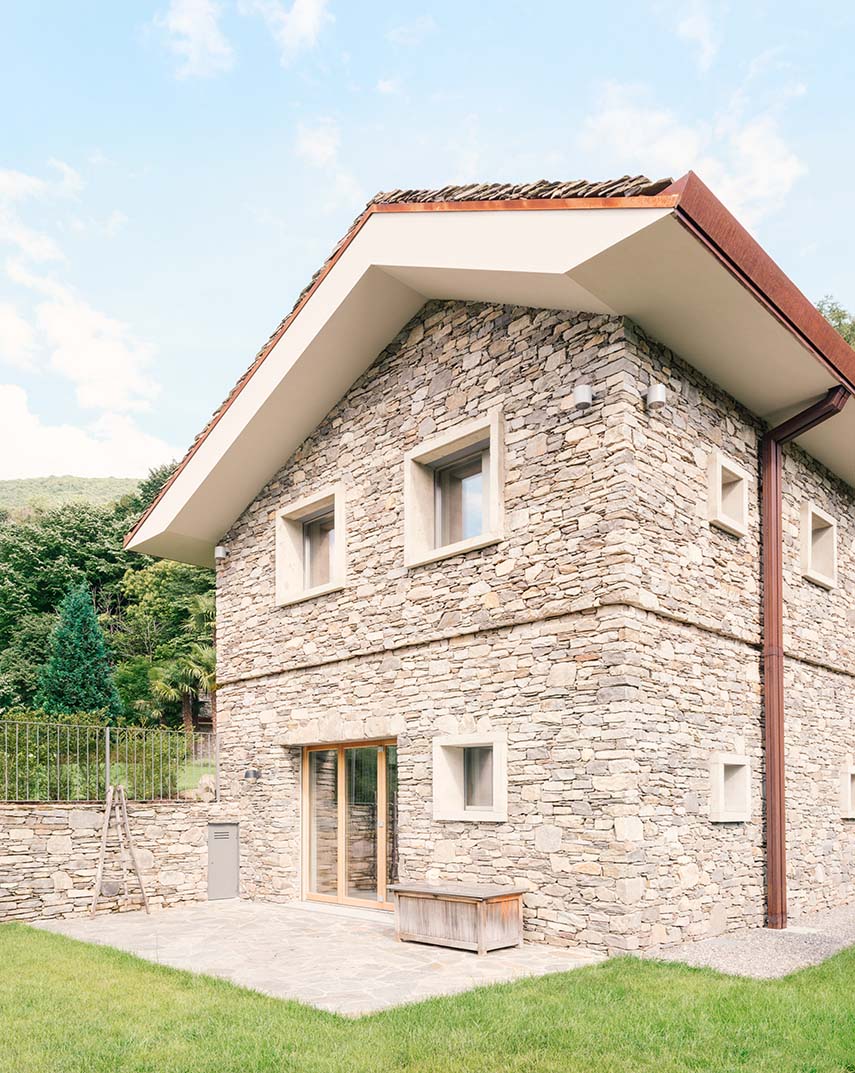
The two volumes are covered by sloping slate roofs, inclined in different directions, as if one of the two buildings sought a privileged view towards the lake, five hundred meters below. The new stone walls were built reusing materials from the collapse of the original stable, strengthening the connection with the place. Deep gutters and pronounced projections visually anchor the building to the steep terrain, while the double Corten steel downspouts cross the facade, interacting with a horizontal incision that lightens the mass in granite.

The Stables, when ruin becomes contemporary refuge

Windows as paintings of the landscape

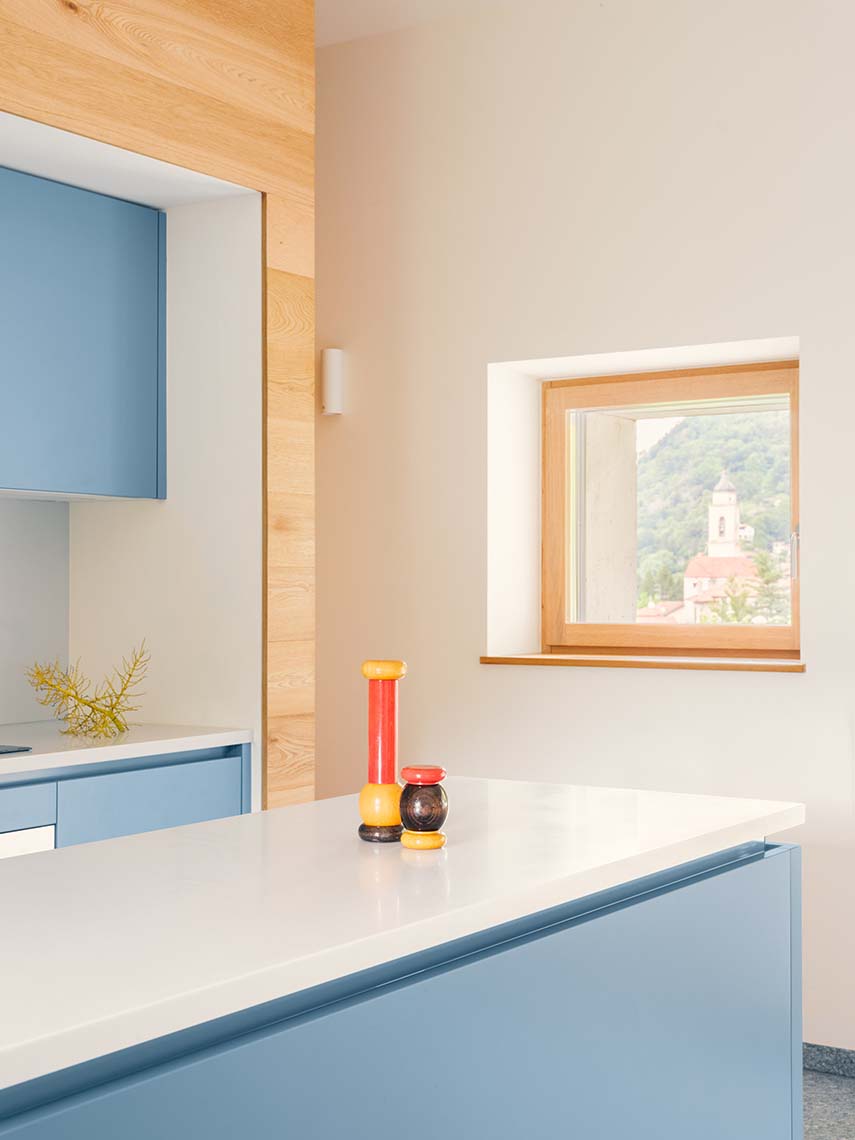
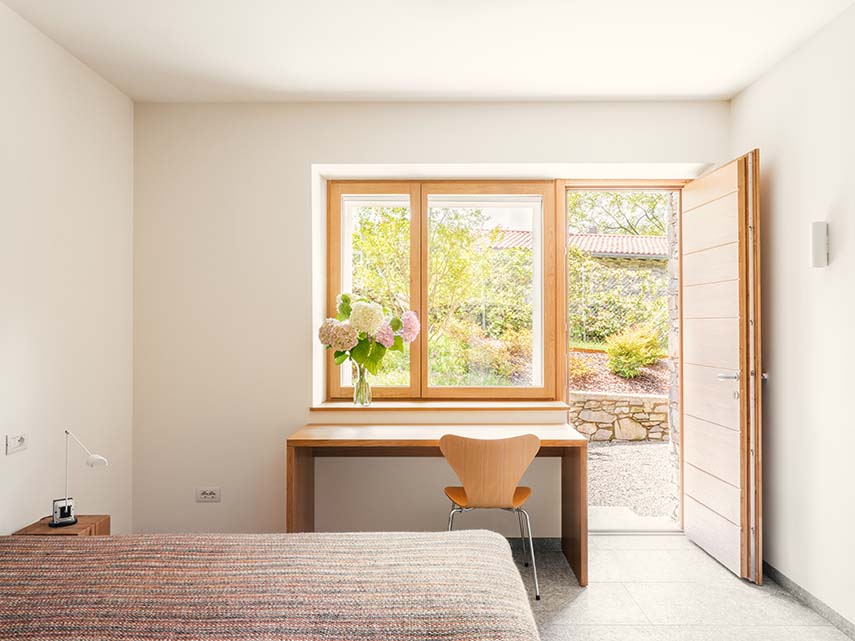
How to teach ancient stones to speak a contemporary language? By piercing the walls with thick concrete frames, which become real frames on the Lombard landscape. One frames the bell tower of a church perched on the mountain, another captures the depth of the forest. The interior spaces are articulated around these views, which change and multiply in the transition between the living area, kitchen, bedrooms, and terrace. It is here that the project also fits into the debate on interior design projects, where light, view, and material become narrative tools.

The Stables, when ruin becomes contemporary refuge

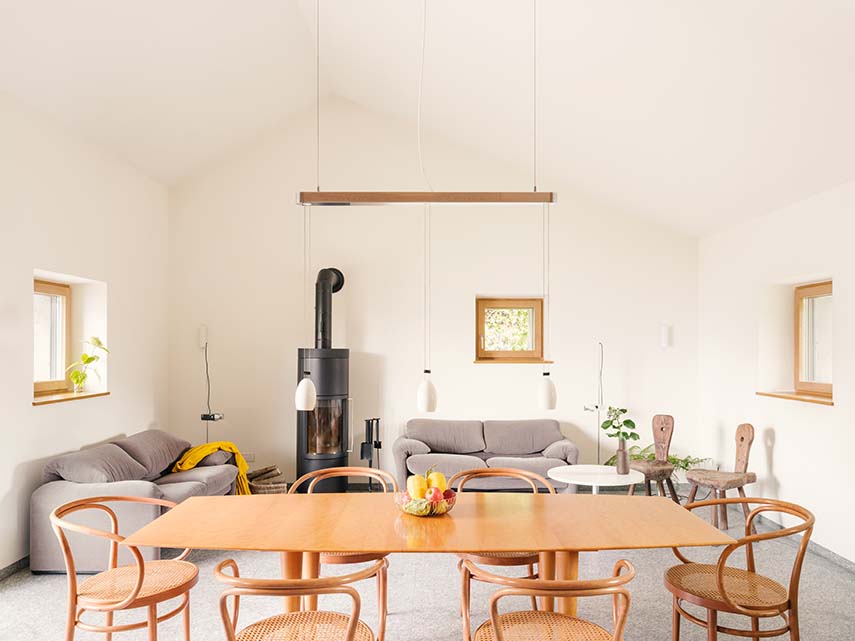
Two houses, two atmospheres

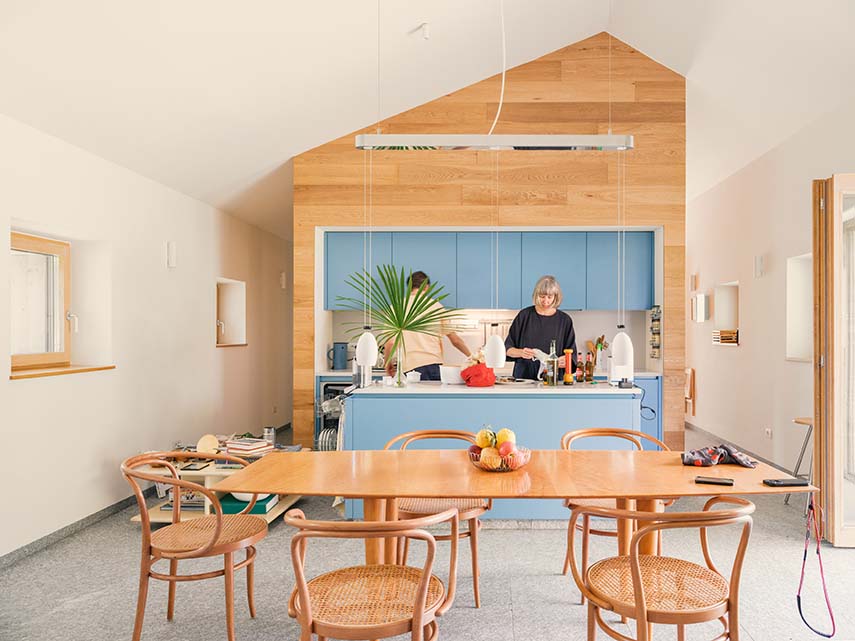
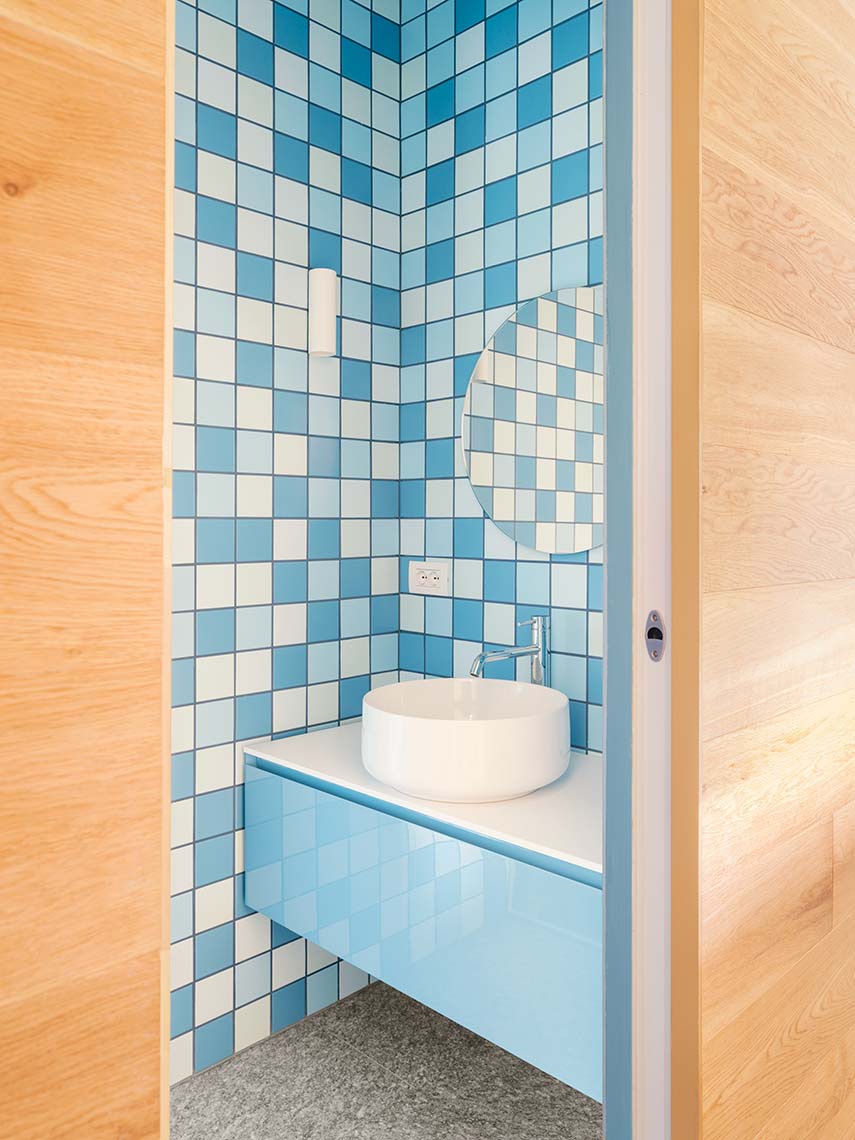
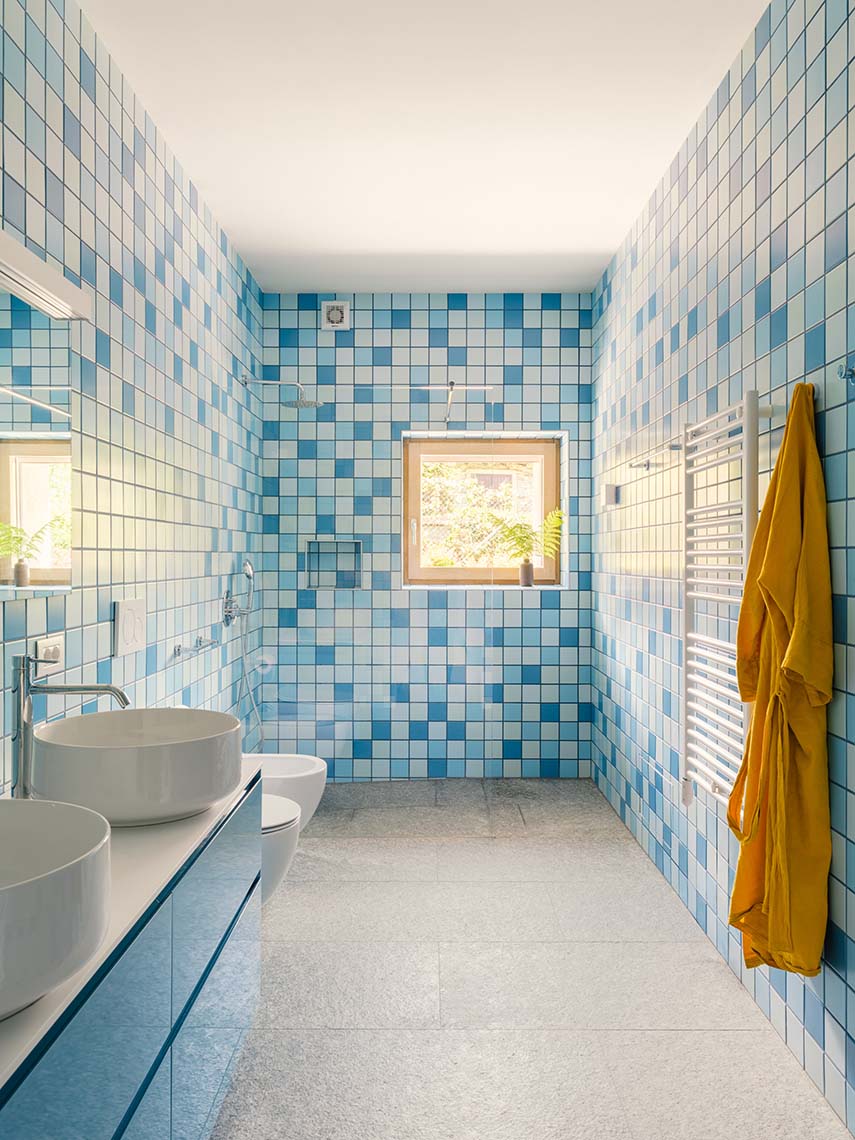
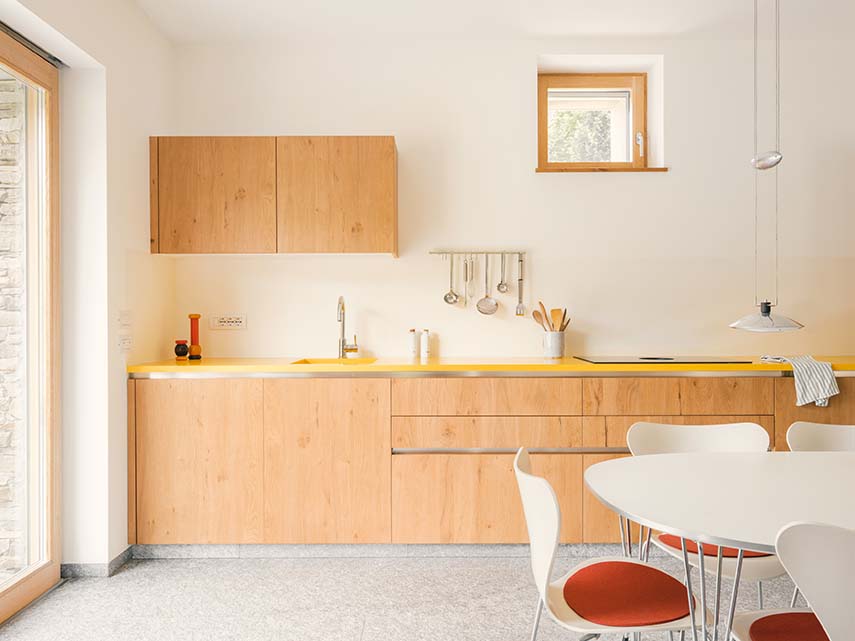
House A and House B are developed on two levels, adapting to the steep slope of the terrain. The central space houses the staircase that leads to the upper garden and the entrance to the second dwelling. The lush greenery of the garden contrasts with the rocky appearance of the building, and this dialogue continues in the interiors. Each house has its own color palette that characterizes kitchens, furnishings, and bathrooms. The bathrooms, clad with colorful floor-to-ceiling tiles, become small wellness spaces, carefully curated down to the smallest detail. The Stables, once a ruin, thus transforms into a contemporary refuge that preserves the memory of the place and reinterprets it as a space for living, observing, and pausing in the alpine landscape.

Gallery