Dante 47: trasparenza e leggerezza per l'abitare contemporaneo

Materiali e facciate per un'immagine elegante e durevole
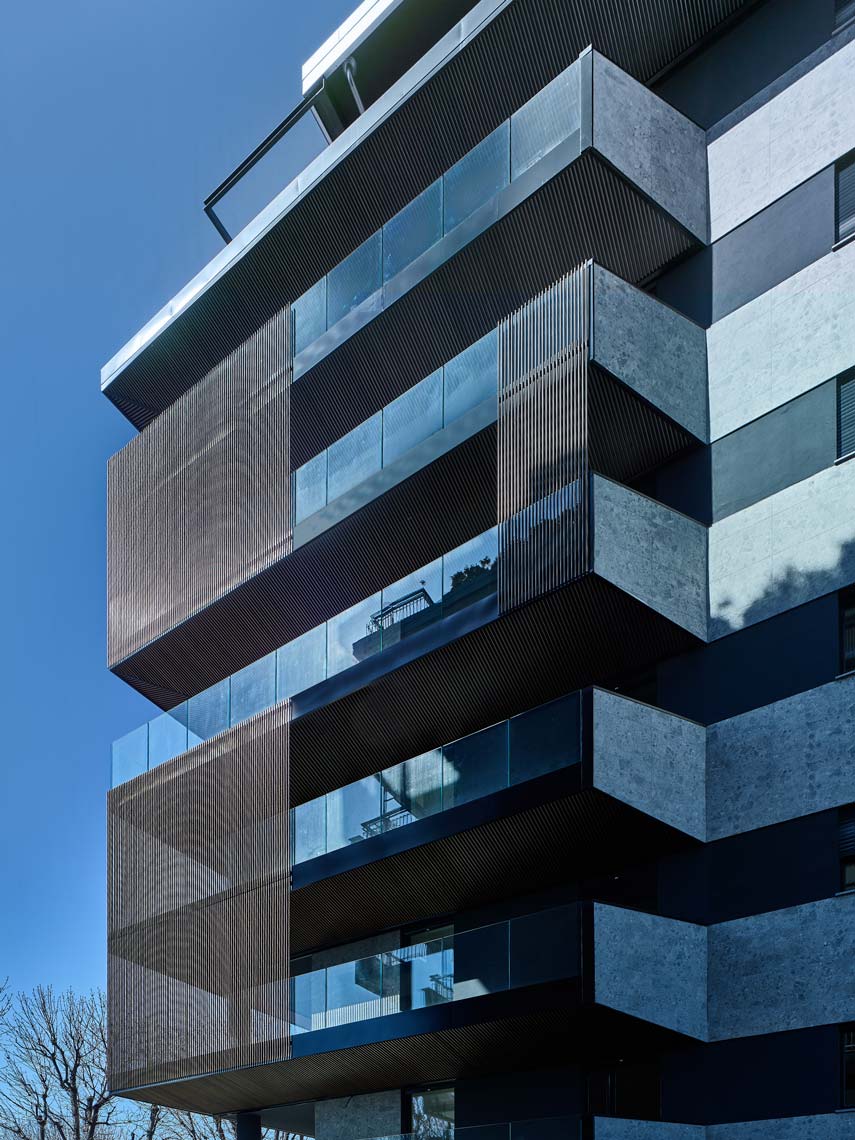
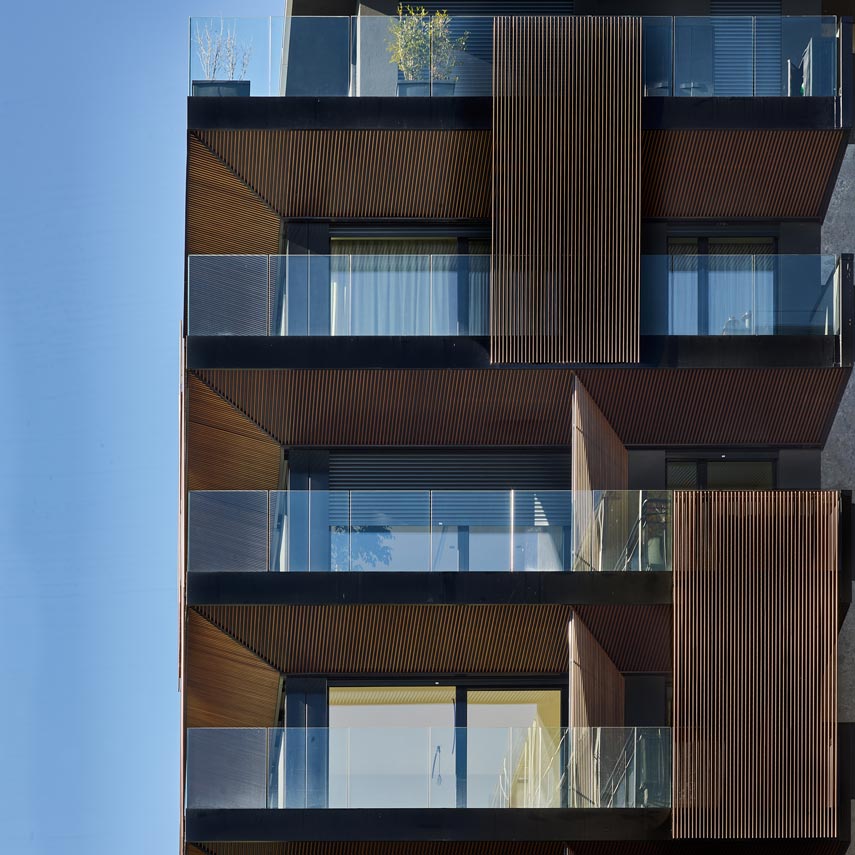
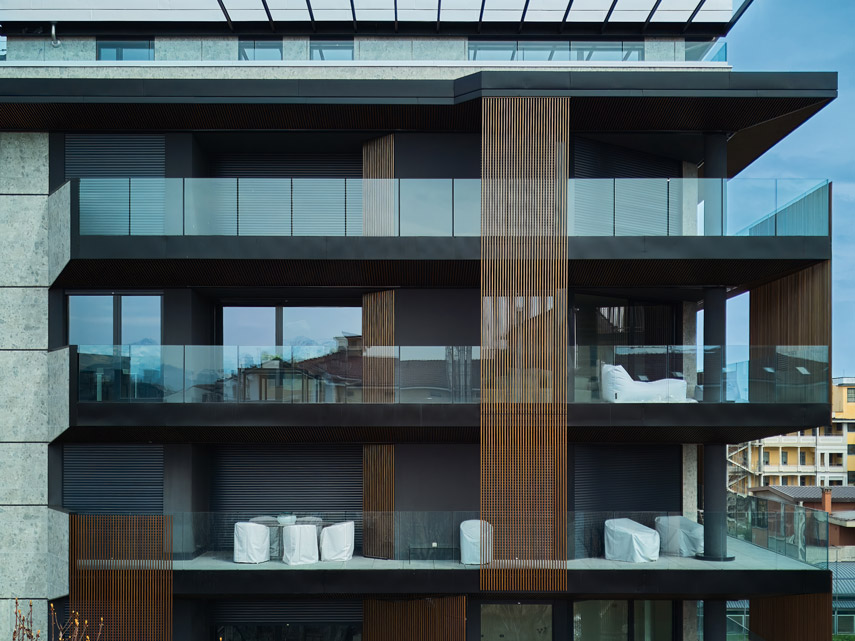
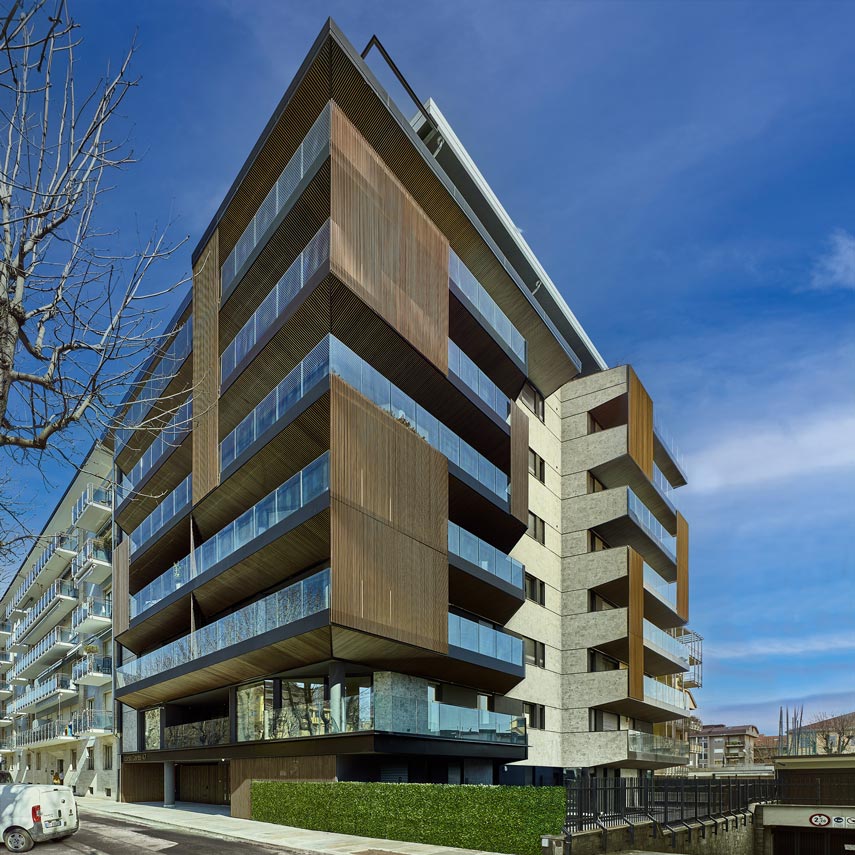
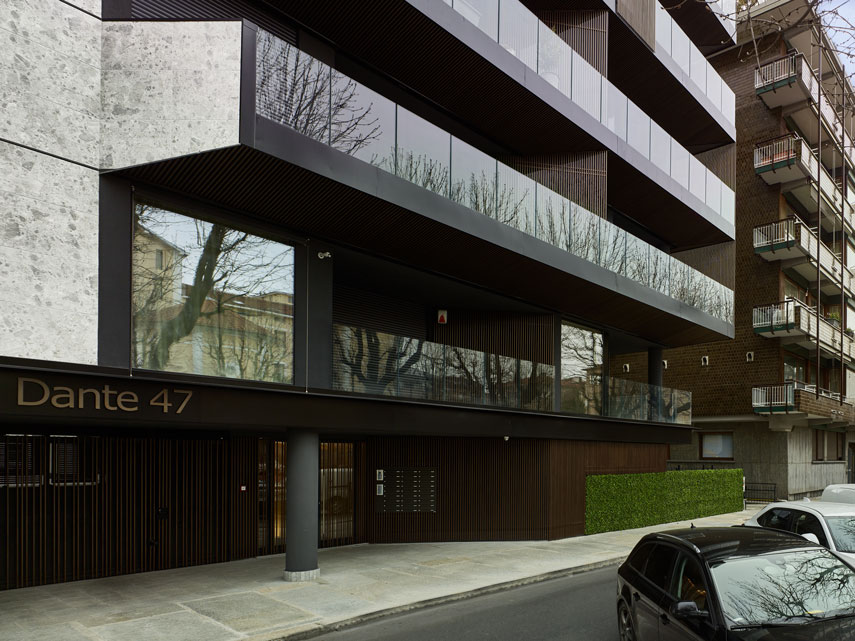
L'involucro edilizio è stato progettato per coniugare estetica e prestazioni. Le facciate alternano grandi lastre in gres porcellanato effetto pietra naturale a superfici intonacate dai toni scuri, creando un equilibrio visivo raffinato e contemporaneo. A completare il disegno architettonico intervengono le quinte in doghe metalliche tubolari, elementi che generano profondità e movimento sulle superfici esterne. I terrazzi diventano così parte integrante della composizione, trasformandosi in spazi aperti fruibili e valorizzati da soluzioni tecniche che garantiscono massima leggerezza visiva.

Garda One: trasparenza e prestazioni per i terrazzi
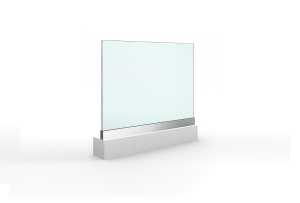
Tra gli elementi distintivi del progetto troviamo i parapetti Garda One di Aluvetro, scelti per la capacità di garantire sicurezza senza compromettere la pulizia delle linee architettoniche. Il sistema utilizza una balaustra in vetro e alluminio caratterizzata da un profilo ultra-compatto di appena 10 centimetri, capace di sostenere carichi fino a 200 kg/m. La totale trasparenza del vetro consente di ampliare la percezione degli spazi e di eliminare ogni barriera visiva tra interno ed esterno. Questa soluzione contribuisce a valorizzare la qualità abitativa delle residenze, esaltando la relazione tra appartamento, terrazzo e panorama urbano.

Posa semplificata e sicurezza certificata
Uno degli aspetti più innovativi del sistema Garda One riguarda le modalità di installazione. La regolazione e il serraggio delle pinze avvengono esclusivamente dal lato interno del balcone o della terrazza, semplificando le operazioni di posa e migliorando la sicurezza degli operatori. Sul piano prestazionale, il sistema è compatibile con differenti tipologie di vetro stratificato temprato o indurito, sottoposte a rigorosi test per verificare la resistenza ai carichi statici e agli impatti dinamici. In abbinamento ai serramenti in alluminio a taglio termico con vetrocamera isolante e tapparelle motorizzate, il complesso Dante 47 offre elevati livelli di comfort, efficienza energetica e qualità costruttiva.
Gallery